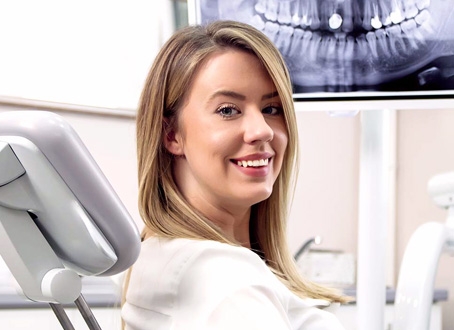
A dental implant is an artificial tooth root placed in the jawbone to replace missing teeth. This treatment aims to restore the function and aesthetics of lost teeth. Dental implants are typically made of biocompatible materials such as titanium and are placed in the jawbone. This material integrates with the jawbone, functioning similarly to a natural tooth root. A dental implant offers a more permanent and natural solution compared to a fixed bridge or prosthesis.
Implant treatment can be applied to most people who have lost teeth; however, certain conditions must be met. Before the implant procedure, the person's general health and oral health are evaluated. Additionally, the jawbone must be sufficient to support the implant. If the jawbone is inadequate, additional treatments like bone grafting may be necessary. Age, general health, and the structure of the jaw play important roles in the success of the treatment.
Dental implant procedures are typically performed after the jawbone has completed its development, which generally starts from the age of 18. However, in some cases, this process may continue into the early 20s. In men, this development usually completes later than in women. There is no upper age limit for implant treatment as long as the jawbone has fully developed and the patient's health is suitable.
Although implant treatment is suitable for most people, there are some exceptions. These include individuals with uncontrolled systemic diseases like diabetes, those with weakened immune systems, people with low bone density or significant bone loss in the jaw, heavy smokers, and individuals with certain heart conditions. Additionally, dental implants are not recommended for people with psychological issues or those who may not be able to comply with the treatment process.
There is no strict age limit for dental implants; however, the ideal age for the treatment is after the jawbone development is completed, typically around 18 years. Implants can also be performed in older adults, especially if their general health is good. The advancement of age does not directly affect the success of the treatment; what matters more is the individual's overall health and bone structure.
Implants are generally not recommended for younger individuals because the jawbone has not yet fully developed. This can interfere with the proper placement and stability of the implant over time. If an implant is placed before the jawbone development is complete, it may cause issues, affecting the implant's success. Therefore, it is generally advisable to wait until around the age of 18 for the treatment to ensure better outcomes.
Implants placed before the jawbone development is complete can cause problems in the future. This is because the jawbone may continue to grow, and the implant may shift or fail to integrate properly. Additionally, placing an implant before the bone development is finished can result in improper alignment of the teeth, potentially leading to aesthetic or functional issues later on.
Dental implants can be performed on older individuals as long as their general health and jawbone condition are suitable. In older adults, the jawbone is usually less dense, which can make it more difficult to place the implant. However, with proper health evaluations and, if necessary, bone grafting treatments, implants can be successfully applied. It's important to note that the healing process may be slower in older adults, but dental implants can still provide an effective and healthy solution for those in good health.
Implant treatment can be applied to individuals of all ages and conditions, but each patient's situation must be assessed individually. Therefore, it is essential to consult a dentist for a thorough examination and consultation before getting a dental implant.
 AESTHETIC DENTISTRY
Cosmetic dentistry not only ensures the health of the teeth but also provides an aesthetically pleasing smile and jaw structure.
 ORTHODONTICS
Orthodontics is the branch of dentistry that deals with the diagnosis, treatment, and prevention of jaw, teeth, and facial abnormalities. The average treatment duration is 1 to 1.5 years.
PEDODONTICSPediatric Dentistry (Child Dentistry) focuses on the health preservation and treatment of both primary and permanent teeth in children aged 0-14.
ENDODONTICSIt is the branch of dentistry that deals with diseases originating from the pulp, a living tissue inside the tooth responsible for nourishment and nerve transmission.
PERIODONTOLOGYIt is the field that studies the health and disease conditions of the teeth and the surrounding tissues, as well as providing treatment for these tissues.
DENTAL IMPLANT TREATMENTSAn implant is a titanium screw placed into the jawbone to replace the root of a missing tooth, used in the treatment of missing teeth.
ORAL SURGERY TREATMENTSIt is the field that involves the diagnosis and treatment of diseases in the hard and soft tissues of the mouth, teeth, and jaw, based on clinical and radiographic findings.
DENTAL PROSTHETIC TREATMENTSProsthetic dentistry is the process of replacing lost teeth with various prostheses, restoring both function and aesthetics.
Global Ankara Oral and Dental Health Clinic provides examination and treatment services with specialized doctors in a hygienic environment using the latest technological equipment. Our clinic offers parking facilities and easy access, and we are open on Saturdays until 10:00 PM. You can choose us for patient rights and satisfaction-focused dental clinic services.





As Global Dental Oral and Dental Health Polyclinic, we offer services in the comfort of a hospital in Ankara, Etlik Ayvalı with our expert staff and departments where you can find everything about oral and dental health.
 Global AnkaraOral and Dental Health Polyclinic
 Türkçe
 English

 About Us
 Contact Us