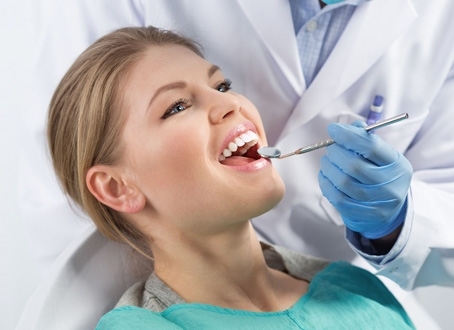
Dental anxiety is a common problem observed across all age groups today. In older individuals, it is often caused by previous bad dental experiences, while in younger individuals, it typically stems from the fear of the unknown and bad experiences shared by family members. For individuals with dental anxiety, dental treatments can be made much more comfortable using sedation.
In sedation procedures, the patient is gradually put into a controlled sleep-like state. During this process, the patient's reflexes are preserved, which helps to facilitate the treatment procedure. Unlike general anesthesia, patients do not lose full consciousness, but instead remain in a semi-conscious (sleepy) state, feeling no pain, and undergo a comfortable dental treatment process.
Sedation is commonly used for patients who are too young for regular treatment, those not mentally prepared, or individuals with mental retardation. This method usually starts by administering nitrous oxide gas to put the patient into a sleep-like state.
Afterward, an intravenous line is established, and the anesthesiologist administers medication to the patient. In order for the doctor to begin treatment, the patient needs to be brought to the necessary level of sedation. The patient enters the sleep state, and their reflexes are preserved, allowing the doctor to proceed with treatment.
During the sedation procedure, the dentist and the anesthesiologist cooperate in treating the patient. While the dentist handles the dental treatment, the anesthesiologist stabilizes the patient's vital signs. Throughout the process, the anesthesiologist monitors the patient's oxygen levels, breathing, pulse, blood pressure, and other vital signs, ensuring the sedation process continues smoothly.
The duration of sedation depends on the medical procedures being performed by the doctor. Generally, the sedation process lasts about 60 minutes.
As important as adjusting the patient's level of sedation is, waking the patient from sedation is just as crucial. After the doctor's intervention, the anesthesiologist prepares to bring the patient out of sedation.
Sedation is gradually reduced, and the effects of the sedative chemicals used in the patient's body gradually fade. The sedation process is described as the gradual surface-level reduction of sleep. During this process, the effects of the sedative medications applied to the patient are gradually eliminated from the brain.
The main advantage of sedation, particularly for younger patients, is the anesthesiologist's ability to control the depth of sleep. Additionally, the duration of the sleep state can be adjusted, making sedation a highly effective option in pediatric care.
 AESTHETIC DENTISTRY
Cosmetic dentistry not only ensures the health of the teeth but also provides an aesthetically pleasing smile and jaw structure.
 ORTHODONTICS
Orthodontics is the branch of dentistry that deals with the diagnosis, treatment, and prevention of jaw, teeth, and facial abnormalities. The average treatment duration is 1 to 1.5 years.
PEDODONTICSPediatric Dentistry (Child Dentistry) focuses on the health preservation and treatment of both primary and permanent teeth in children aged 0-14.
ENDODONTICSIt is the branch of dentistry that deals with diseases originating from the pulp, a living tissue inside the tooth responsible for nourishment and nerve transmission.
PERIODONTOLOGYIt is the field that studies the health and disease conditions of the teeth and the surrounding tissues, as well as providing treatment for these tissues.
DENTAL IMPLANT TREATMENTSAn implant is a titanium screw placed into the jawbone to replace the root of a missing tooth, used in the treatment of missing teeth.
ORAL SURGERY TREATMENTSIt is the field that involves the diagnosis and treatment of diseases in the hard and soft tissues of the mouth, teeth, and jaw, based on clinical and radiographic findings.
DENTAL PROSTHETIC TREATMENTSProsthetic dentistry is the process of replacing lost teeth with various prostheses, restoring both function and aesthetics.
Global Ankara Oral and Dental Health Clinic provides examination and treatment services with specialized doctors in a hygienic environment using the latest technological equipment. Our clinic offers parking facilities and easy access, and we are open on Saturdays until 10:00 PM. You can choose us for patient rights and satisfaction-focused dental clinic services.





As Global Dental Oral and Dental Health Polyclinic, we offer services in the comfort of a hospital in Ankara, Etlik Ayvalı with our expert staff and departments where you can find everything about oral and dental health.
 Global AnkaraOral and Dental Health Polyclinic
 Türkçe
 English

 About Us
 Contact Us